
Older pets are quiet about discomfort. They don’t complain — they simply do a little less each week, until one day the change is impossible to ignore. Learning to read those early, gentle signals is one of the kindest things you can do for an aging companion.
Most of us picture aging as something dramatic: a sudden limp, a refusal to eat, a frightening fall. In reality, the earliest signs of a pet slowing down are almost always subtle. A dog who used to bound up the stairs now takes them one at a time. A cat who once claimed the highest shelf in the house suddenly prefers the couch. These aren’t just “getting old” — they’re small, meaningful clues, and they’re worth paying attention to.
Because animals are hardwired to hide weakness, a pet will often keep eating, keep greeting you at the door, and keep wagging long after something has begun to hurt. That instinct served their wild ancestors well, but it means the responsibility of noticing falls to us. The good news is that once you know what to look for, the signs become surprisingly easy to spot.
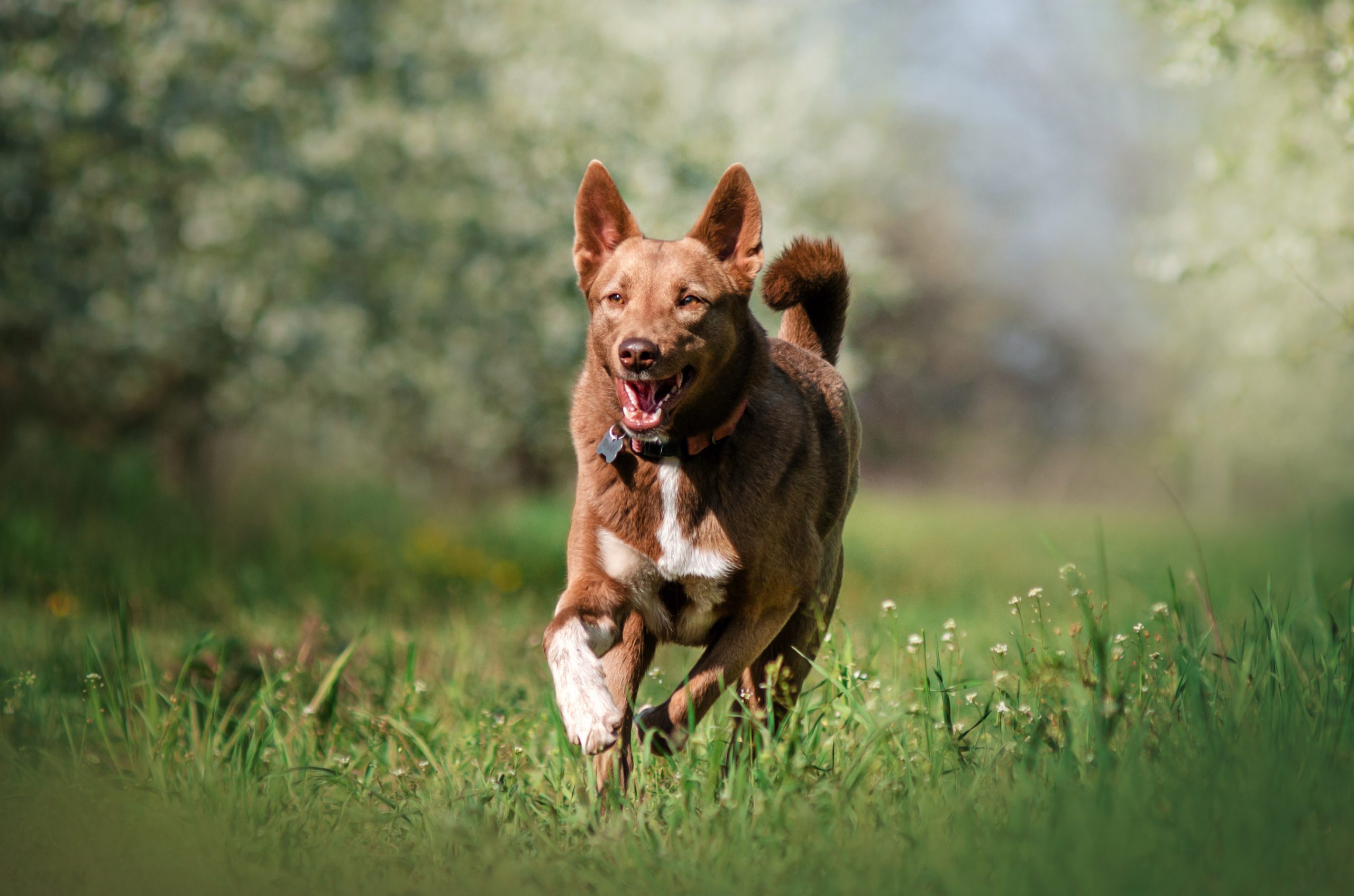
Comfort-seeking behavior — like favoring soft, warm spots — is often an early clue.
The changes worth watching for
Mobility is usually the first thing to shift. Watch for hesitation before jumping, a stiff first few steps in the morning, or a new reluctance to go on the longer walks your dog once loved. In cats, look for missed jumps, litter-box accidents from difficulty climbing in, or a coat that looks less groomed because twisting to reach it has become uncomfortable.
Appetite and weight tell their own story. A slow loss of muscle over the back and hind legs, a pickier attitude toward food, or drinking noticeably more water are all changes that deserve a conversation with your veterinarian rather than a wait-and-see approach.
“Slowing down with age” is often untreated pain in disguise — and pain, unlike age, is something we can almost always help.
Dr. Amelia Hart · Cottage Hills Animal Hospital
Behavior shifts matter just as much as physical ones. A pet who becomes more withdrawn, more irritable when touched in a certain spot, or newly anxious at night may be telling you something. Cognitive changes — pacing, staring at walls, forgetting familiar routines — are also common in senior pets and, importantly, are often manageable when caught early.
None of these signs, on their own, means something is seriously wrong. Taken together, though, they form a picture. The families who catch problems early are almost never the ones who spotted a single dramatic symptom — they’re the ones who noticed a handful of small changes and trusted that the pattern was worth a phone call.
What you can do
Start by keeping a simple, honest log. Note what your pet can and can’t do comfortably today, and revisit it every few weeks — memory smooths over gradual change, but written notes don’t. Bring that log to your next visit. It’s often more useful to your veterinarian than anything a single exam can reveal.
Above all, don’t assume that slowing down is simply the price of a long life. Senior pets have more good years ahead than most owners expect, and much of what looks like aging — sore joints, dental pain, a treatable thyroid or kidney change — responds beautifully to care. Noticing the quiet signs early is the first, and most loving, step.