
(555) 100 – 2400 • 1284 Cottage Rd, Fulshear, TX
Accepting New Patients
Bad breath is easy to shrug off — but it’s often the first sign of dental disease, the most common health problem we see in dogs and cats. Our gentle, anesthesia-monitored cleanings protect your pet’s teeth, comfort, and whole-body health, all under one welcoming roof in Fulshear.
Why Dental Care
By the age of three, most dogs and cats already show early signs of periodontal disease. Left untreated, plaque hardens into tartar, gums recede, and bacteria slip beneath the gumline — where they can quietly affect the heart, liver, and kidneys. The good news is that dental disease is almost entirely preventable with the right combination of professional care and simple habits at home.
At Cottage Hills, dentistry isn’t an afterthought bolted onto a wellness visit. It’s a dedicated service built around thorough exams, full-mouth digital X-rays, and cleanings performed to the same standard you’d expect from your own dentist. We take the time to show you what we see and explain exactly what your pet needs — never more, never less.
It’s tempting to think of “doggie breath” as normal, but persistent odor is usually a sign that bacteria are already at work below the gumline. As periodontal disease advances, it becomes genuinely painful — and because pets instinctively hide discomfort, many owners never realize anything is wrong until a tooth is lost or an abscess forms.
No hidden add-ons and no cutting corners. Every dental procedure — routine
or complex — includes each of these as standard.
Pre-anesthetic bloodwork
We check organ function and blood counts before anesthesia so we can tailor a plan that’s safe for your individual pet.
IV catheter & fluids
Intravenous fluids support blood pressure and circulation and give us immediate access should we ever need it.
Dedicated monitoring
A trained technician watches heart rate, blood pressure, oxygen, and temperature from induction through recovery.
Full-mouth digital X-rays
We image every tooth to find disease hiding below the gumline — the step that separates a real dental from a polish.
Charting & scaling
Every tooth is probed, charted, and cleaned above and below the gumline, then polished to slow future buildup.
A personalized home plan
You’ll leave knowing exactly how to care for your pet’s mouth between visits, matched to what they’ll tolerate.
Signs it’s time for a dental visit
Bad breath, yellow or brown buildup, red or bleeding gums, dropping food, chewing on one side, pawing at the mouth, or a new reluctance to play with toys. If you’ve noticed any of these, don’t wait — early treatment is simpler, gentler, and far less costly than advanced care.
Why we don’t offer “anesthesia-free” cleanings
Anesthesia-free dentistry only polishes the visible crown — it can’t clean below the gumline where disease lives, and it can’t take X-rays. Worse, it can be frightening and painful for an awake animal. Modern, monitored anesthesia with a dedicated technician is the safest, kindest way to do dentistry right.
Dental care can feel cosmetic, but the science tells a different story. The bacteria that thrive in an inflamed, infected mouth don’t stay put. They enter the bloodstream with every chew and travel throughout the body, where research has linked them to changes in the heart, liver, and kidneys. For a small dog or an aging cat, chronic oral infection is a daily burden on organs that are already working hard.
There’s also the matter of pain. Animals are hardwired to hide weakness, so a pet with a fractured tooth or an abscess will usually keep eating and keep greeting you at the door — right up until the problem becomes severe. Owners are often astonished at how much brighter, hungrier, and more playful their companion becomes after a cleaning and any needed treatment. What looked like “slowing down with age” was often untreated dental pain all along.
That’s why we treat dentistry as preventive medicine, not a luxury. Catching disease early — while it’s a simple cleaning rather than a mouthful of extractions — is easier on your pet, easier on you, and far kinder to your budget. When you invest in your pet’s mouth, you’re investing in more good years together.
Prevention at home is a partnership, and we meet you where you are. If daily brushing feels impossible with a squirmy terrier or an indignant cat, we’ll show you techniques that make it easier and suggest proven alternatives — dental diets formulated to scrub the tooth surface, chews accepted by the Veterinary Oral Health Council, and water additives that reduce plaque with zero effort. Small, consistent habits between visits genuinely change what we find at the next cleaning, and they mean fewer procedures and lower costs over your pet’s lifetime.

Meet the Team
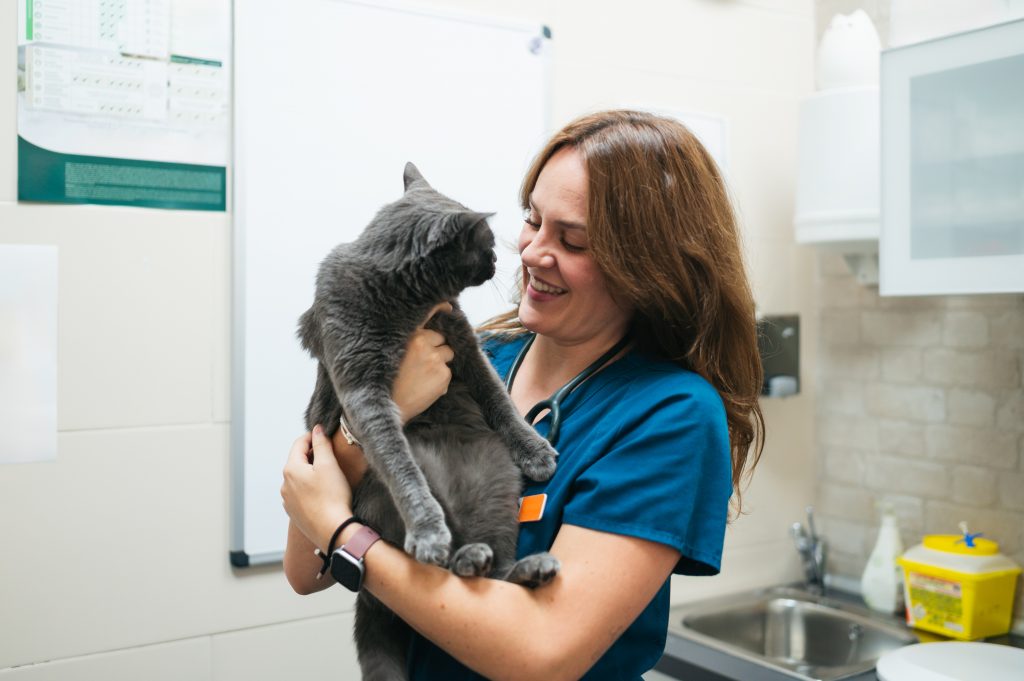
Our dentistry is led by technicians certified in fear-free handling and a doctor who genuinely loves this work. Watch a two-minute introduction to the people who’ll be caring for your pet’s smile.
FAQ
For the vast majority of pets, yes. Modern anesthesia is very different from what it was a decade ago. We run pre-anesthetic bloodwork, place an IV catheter with fluids, and assign a dedicated technician to monitor heart rate, blood pressure, oxygen, and temperature continuously. We tailor the protocol to your pet’s age and health, and we’re happy to discuss any specific concerns — including for senior pets, who often benefit most from having painful dental disease addressed.
For the vast majority of pets, yes. Modern anesthesia is very different from what it was a decade ago. We run pre-anesthetic bloodwork, place an IV catheter with fluids, and assign a dedicated technician to monitor heart rate, blood pressure, oxygen, and temperature continuously. We tailor the protocol to your pet’s age and health, and we’re happy to discuss any specific concerns — including for senior pets, who often benefit most from having painful dental disease addressed.
For the vast majority of pets, yes. Modern anesthesia is very different from what it was a decade ago. We run pre-anesthetic bloodwork, place an IV catheter with fluids, and assign a dedicated technician to monitor heart rate, blood pressure, oxygen, and temperature continuously. We tailor the protocol to your pet’s age and health, and we’re happy to discuss any specific concerns — including for senior pets, who often benefit most from having painful dental disease addressed.
For the vast majority of pets, yes. Modern anesthesia is very different from what it was a decade ago. We run pre-anesthetic bloodwork, place an IV catheter with fluids, and assign a dedicated technician to monitor heart rate, blood pressure, oxygen, and temperature continuously. We tailor the protocol to your pet’s age and health, and we’re happy to discuss any specific concerns — including for senior pets, who often benefit most from having painful dental disease addressed.
For the vast majority of pets, yes. Modern anesthesia is very different from what it was a decade ago. We run pre-anesthetic bloodwork, place an IV catheter with fluids, and assign a dedicated technician to monitor heart rate, blood pressure, oxygen, and temperature continuously. We tailor the protocol to your pet’s age and health, and we’re happy to discuss any specific concerns — including for senior pets, who often benefit most from having painful dental disease addressed.
Find us
Full-service veterinary medicine for dogs, cats, and the family in between — from wellness exams to advanced surgery, all under one welcoming roof in Fulshear
Address
1284 Cottage Rd, Fulshear, TX 77441
Phone
(555) 100 - 2400
Mon – Fri
7:30am – 6:00pm
Saturday
8:00am – 2:00pm
Sunday
Closed
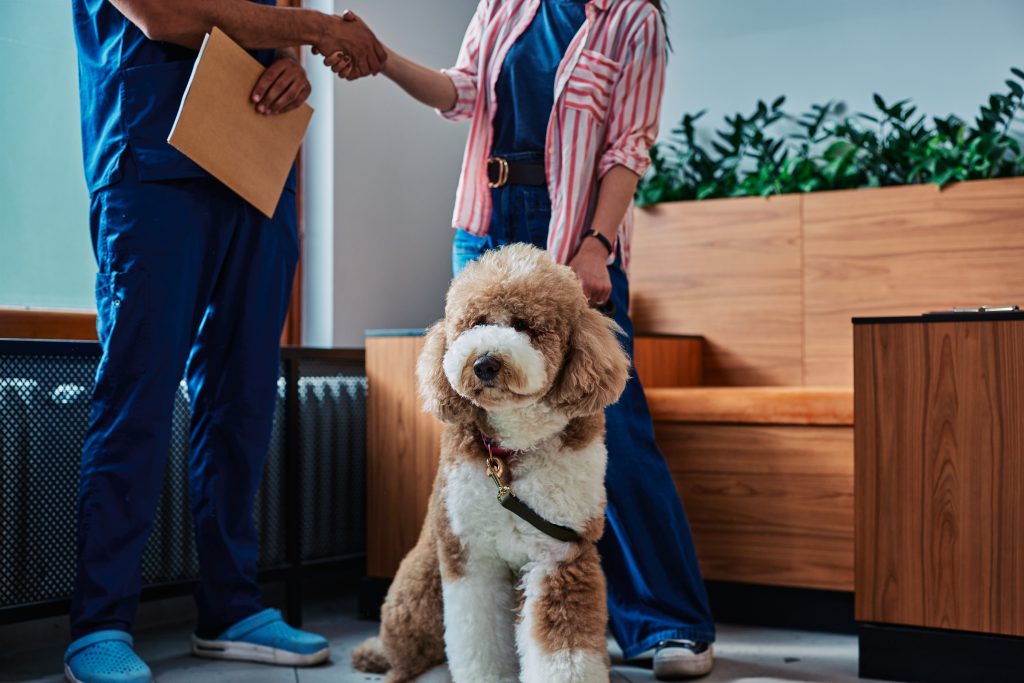

New patients are always welcome. Schedule online in under two minutes — or call and we’ll find a time that works.